

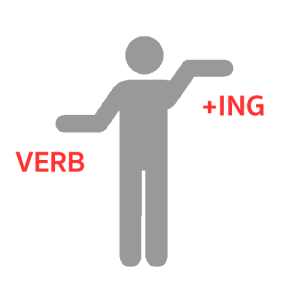
In NLP Nominalization is a verb, representing a process, which turned into a noun or an event or a concept. This is something that is more easily dealt with as a verb/process, than a noun/event. We naturally nominalize things all the time. It is a nominalization, “if you cannot put it in a wheelbarrow.” First of all, people nominalize things to try to get a handle on the, or to be more easily able to refer to them in simpler terms.
Unfortunately, the result is often of even greater difficulty to deal with than whatever is nominalized. Doing this sends deceptive messages to our brains. For example, a “decision” is actually the process of deciding. A relationship is the process of relating to someone. By changing the process into a fixed static thing, we can feel it is unchanging and limit our choices for action.
How to deal with NLP Nominalization?
Many people experience the best results while working with nominalizations, simply by denominalizing the nominalization. So, how does that turn out for you? Because it means, to turn the event or concept back into a noun. Like, turning back “love” into “loving”. Like, turning a decision back into deciding. Hence, be aware at this point that this technique is stepping beyond information gathering mode and moving into an intervention process. This causes strong shifts in a subject’s perceptions, even if they do not show you the results of this in obvious ways. Try to determine the ecology of such changes before you help someone with any perceptual changes. NLP Nominalization.
Some Examples of NLP Nominalization.
The nominalization “Love” denominalized is “Loving” or “To love”. So now you can make your own library of Nominalizations that you de-nominalize. Take the following short Statements (S) from the Client and Challenges (C) from the Coach:
- (S) It would be nice to be appreciated at work.
- (C) How should others be appreciating you specifically? Or;
- (C) What would others need to do to show they appreciate you?
- (S) I can’t make a decision.
- (C) I can understand, what specifically do you want to decide?
- (S) I really need more success in my life.
- (C) What is it specifically you want to succeed at? How will begin to succeed?
- (S) I will need better communication from your company.
- (C) Great, How could we communicate to meet your expectation?
- (S) I really need more success in my life.
- (C)What is it specifically you want to succeed at? Or;
- (C)How will begin to succeed?
As you start to wonder how you can explore this pattern in depth more, ask questions like:
- What specifically does this mean to you?
- What time or period is important or relevant for this?
Nominalizations freeze action in our Brain.
Well, it is a very subtle little big deal when a process is nominalized. Think about it in the context of a relationship. Or maybe your relationship now we are talking about it. Representing a Process.
How much room do we give people we are in a relationship the flexibility they need to change? Often the thought of our significant other changing isn’t a comfortable one for us.
Yet, a relationship is a process of relating to another person and this involves change. Many people get into the default habit of using the word relationship which implies something that is more permanent than representing a process.
It transforms the process of relating from a verb into a noun. When such NLP nominalization occurs, all sorts of problems begin to raise their heads because the opportunity changes. Flexibility, and evolution have been placed outside of the relationship. Representing a Process.
Remember, DO the wheelbarrow test.
If you can put it into a wheelbarrow, it is NOT a nominalization. For example: A drink is a noun, but it is not a nominalization because as it stays tangible. It can be put into a wheelbarrow and carried around. So now you can put it in a wheelbarrow it fails the wheelbarrow test and is a nominalization.
Today: NLP Nominalization Homework!
As an exercise today, tune up your hearing. Make it a habit to denominalize nominalizations. Some Examples:
- Love is Loving
- Decision is Deciding
- Happiness is To become Happy
- Observation is Observing
In addition, make it a habit for today, so at the end of the day you are a master of Denominalizing Nominalizations. In NLP Nominalization is part of the higher chunk Distortion. On its turn, NLP Distortion is part of the Meta Model. Come back often as we tend to post frequently and new posts about NLP are being added daily.
Mind Tools provides NLP Practitioner and NLP Master Practitioner Trainings and Certifications. We educate you according to the renowned, latest and highest standards set by the Society of NLP. We will train you thoroughly in all the corners of Neuro-Linguistic Programming and some extras we learned from Dr. Richard Bandler directly.